How to play pickleball in cold weather without cracking every ball
Why outdoor balls crack below about 50°F, how to keep balls and paddle warm, a 10-minute cold warm-up, what to wear, and when a frosty court means wait.
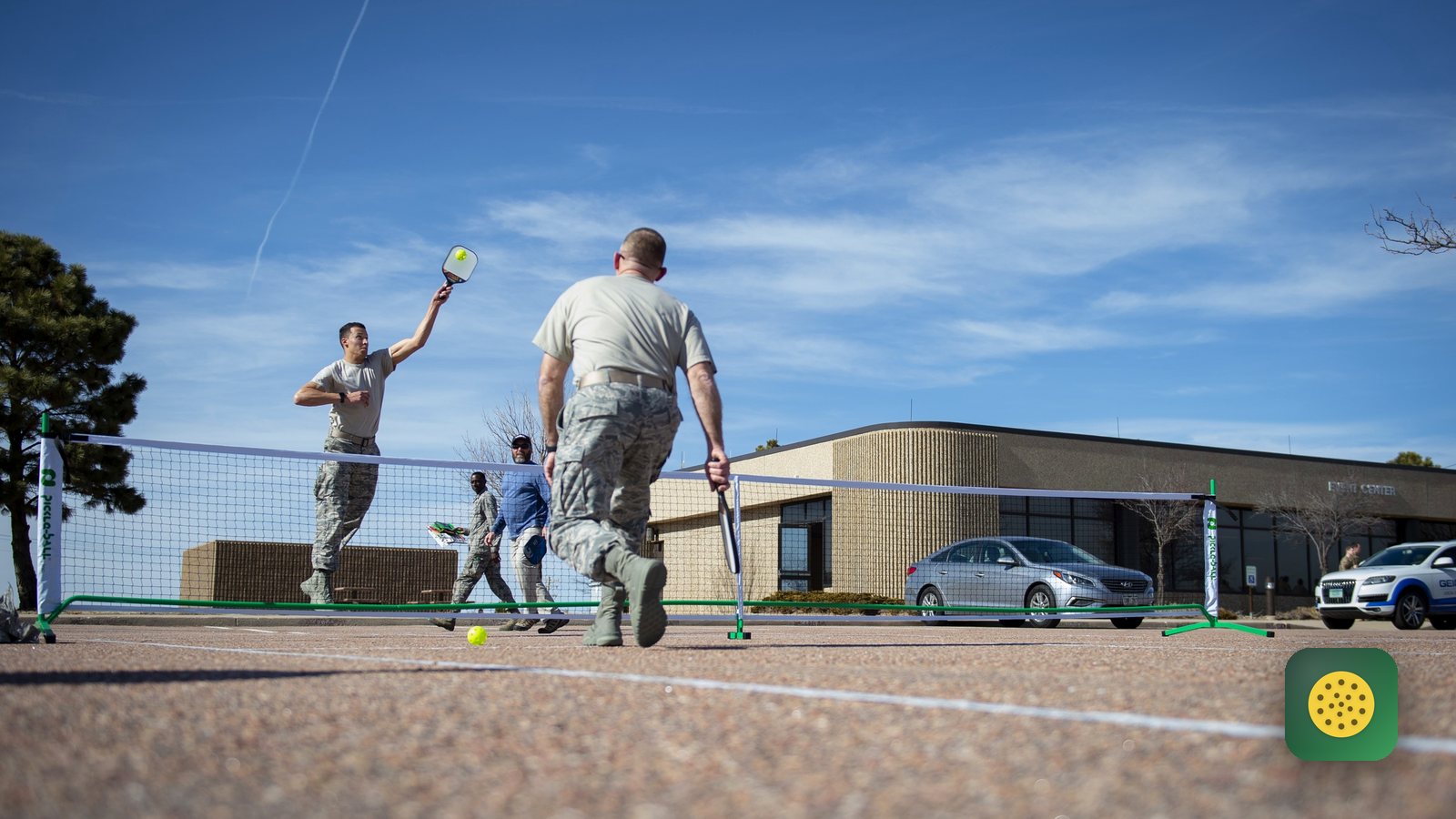
It's 42 degrees, the sun is out, and the courts are finally empty. Then the first ball splits on a routine drive, and the second one goes ten minutes later. Cold-weather pickleball is great, but the ball, the court and your body all change once it gets chilly.
Why the ball cracks (and plays differently)
Outdoor balls are hard polymer plastic, and that plastic gets more brittle as it cools. Pickleball.com's guide puts the turning point at roughly 50°F (10°C): below that, cracks get much more likely, even in normal play. Many players also find the ball feels harder and comes off the paddle faster, though the bounce varies with the ball and the court.
What helps:
- Keep balls warm until you play. Store them indoors, not in the car overnight, and carry them in a bag or jacket pocket. Selkirk advises letting balls warm up gradually rather than taking them from a freezing car straight onto the court.
- Rotate two or three. Swap balls every game or two and keep the spares in a pocket.
- Bring extras. In real cold you can go through several balls in one session. Check for hairline cracks between games and retire a cracked ball right away; it flutters and bounces dead.
- Try a softer outdoor ball. None are crackproof, but softer outdoor balls flex a little and tend to outlast the hardest tournament balls in the cold.
Keep your paddle inside or in a warm bag until you start, too. A cold paddle face feels stiffer and less forgiving.
In cold weather, the ball in your pocket matters more than the one in play.
Warm up longer than you think
Cold muscles are where winter strains come from, and the first game is the usual moment: someone sprints for a drop shot before they're loose. Give it 10 minutes before the first serve:
- Easy movement, 2 to 3 minutes. A brisk lap around the courts, side shuffles along the baseline, a light jog.
- Dynamic stretches. Leg swings, walking lunges, arm circles, torso twists. Save long static stretches for after.
- Dinks first. Start at the kitchen line with soft dinks, then move back for groundstrokes. Drill third shot drops last, once your legs are ready to bend.
- Ease into game one. Play it at 80 percent. Nobody needs to win the first game of a frosty morning.
Between games, put a layer back on.
Dress in layers and check the court
- Layers you can peel. A light base layer, a warm mid layer and a wind-resistant shell. You'll probably shed one by the second game.
- Head and hands. A beanie keeps a lot of heat in. Thin gloves help on a bitter day, though a glove on the paddle hand takes some getting used to.
- Shoes with grip. Court shoes with good traction and lateral support matter more when the surface is cold and damp.
The court is the bigger risk. Frost on an acrylic court is a fall waiting to happen, so wait for the sun to clear it. Dew can linger in shaded corners after the rest of the court looks dry, and wet leaves are slick. A quick test: press a paper towel onto a painted line. If it comes back damp, the court isn't ready. On days it won't dry, check whether a local rec center or Y has added indoor winter hours.
Keep games quick and the score honest
Cold sessions run shorter, so keep games moving. Set a phone on the fence with Kitchen open and tap the big button on the side that won the rally. It tracks the server and side-outs for you, the score is big enough to read from the baseline, and a shake undoes a mistap. Each finished match saves the final score, duration and date on your phone. It's free on the App Store, with no subscription and no account.
Get the balls, the warm-up and the court right, and winter becomes the season you have the courts to yourself.
Related posts
-
How-to
How to keep pickleball score without the mid-game arguments
Sep 07, 2026
-
How-to
Pickleball rules you actually need for your first game
Sep 27, 2026
-
How-to
How to hit a third shot drop in pickleball
Oct 29, 2026
Recent posts
-
How-to
Are extended warranties worth it? How to decide at checkout
Nov 27, 2026
-
How-to
How to make smooth gravy (and fix it when it's lumpy, thin or greasy)
Nov 26, 2026
-
How-to
How to host a Hanukkah latke party (and keep them crisp for a crowd)
Nov 25, 2026
-
How-to
How to carve a turkey (without hacking it apart at the table)
Nov 24, 2026
-
How-to
How to take a Thanksgiving family photo with everyone in it
Nov 23, 2026
-
How-to
How to check a charity before you donate on Giving Tuesday
Nov 22, 2026
0 comments
No comments yet — be the first.
Leave a reply
Sign in with Google to join the conversation. We require a quick sign-in to keep comments spam-free.
Sign in with Google to comment