How to keep score in Spades (bids, nil, bags and the 10-bag penalty)
Spades scoring explained with a hand-by-hand example: making bids, bags, the 10-bag penalty, nil and blind nil, plus the house rules to agree before the deal.
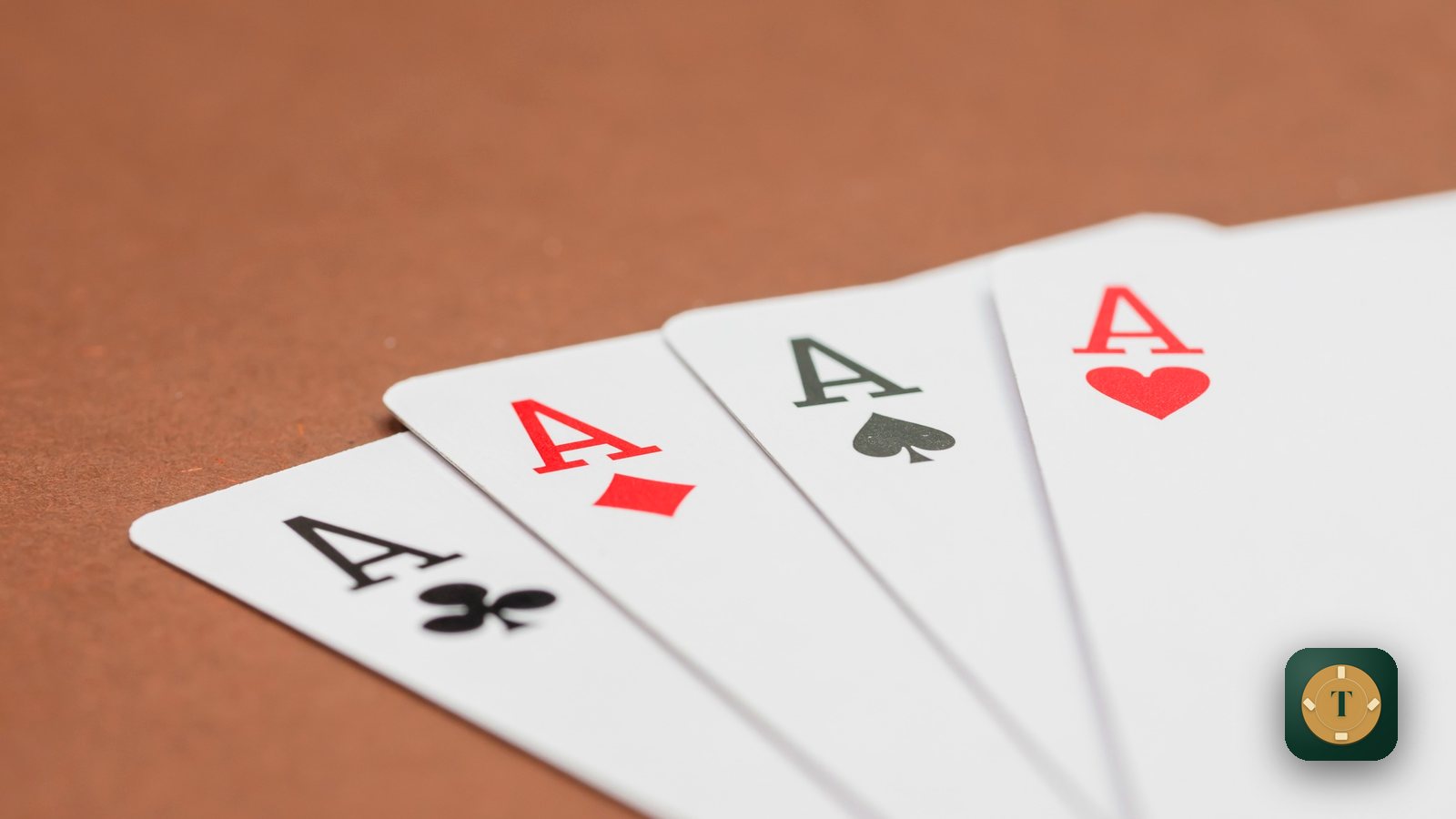
The cards are easy. The arguments start at the scorepad. Someone forgot to carry the bags, nobody agrees whether a failed nil costs 50 or 100, and by the third hand two people are adding columns on their phones. Spades scoring is simple once you know the five rules, and it stays simple if you write them down before the first deal.
The standard rules
Spades is played by two partnerships, and each team adds its two bids together into one team bid.
- Make your bid: score 10 points per trick bid. A team that bids 5 and takes 5 scores 50.
- Bags: each trick over your bid is a bag, worth 1 point. Bid 5, take 7: you score 52.
- The 10-bag penalty: when a team's bag count reaches 10, it loses 100 points. Keep a running bag tally separate from the score.
- Missing your bid (getting set): in the common version, a team that falls short loses 10 points per trick bid. Bid 5, take 4: minus 50.
- Nil: a player who bids nil scores 100 for the team if they take zero tricks, and the team loses 100 if they take even one. Blind nil, bid before looking at your cards, is worth 200 either way.
The first team to 500 wins. If both pass 500 in the same hand, the higher score wins.
Write the house rules on the scorepad before the deal, not after the argument.
A scoring example, hand by hand
Team A (Ana and Ben) against Team C (Cal and Dee).
Hand 1. Ana bids 3, Ben bids 2: Team A bids 5. Cal bids 4, Dee bids 3: Team C bids 7. Team A takes 6 tricks, Team C takes 7. - Team A: 50 + 1 bag = 51 (bags: 1) - Team C: 70 (bags: 0)
Hand 2. Ana bids nil, Ben bids 4. Team C bids 6. Ana takes zero tricks, Ben takes 4. Team C takes 9. - Team A: 100 for the nil + 40 = 140. Running total 191 (bags: 1) - Team C: 60 + 3 bags = 63. Running total 133 (bags: 3)
Hand 3. Team A bids 6 and takes 5. Team C bids 7 and takes 8. - Team A: set, minus 60. Running total 131 (bags: 1) - Team C: 70 + 1 bag = 71. Running total 204 (bags: 4)
Notice how a single nil swung the game, and how Team C's bags are quietly climbing toward a penalty.
House rules to agree first
Rules vary more than people think. Settle these before you deal:
- Missed bids: minus 10 per trick bid, or no points at all?
- Bag carry-over: after the 10-bag penalty, do extra bags carry into the next count (12 bags becomes 2), or reset to zero?
- Failed nil tricks: do tricks taken by a failed nil bidder count toward their partner's bid? Many groups say no.
- Blind nil: allowed anytime, or only for a team trailing by 100 or more?
- Game target: 500 is standard; 300 makes for a shorter night.
- Minimum team bid: some tables require at least 4.
For general scorekeeping tips across any card game, see our guide to running a game night scoreboard.
Instead of a pad, try Tableside, which has Spades built in. Use Score mode for a round-by-round scoreboard with running totals, add each team as a player, enter any number per hand, and save your regular crew as a friend group for next week. It works without an account and is free with no subscription.
Keep the rules on the first line of the scorepad, and every future Spades night starts with the argument already settled.
Related posts
-
Product
How Tableside keeps score and settles up at the end of the night
Sep 21, 2026
-
How-to
How to keep pickleball score without the mid-game arguments
Sep 07, 2026
-
How-to
How to run a game night scoreboard everyone actually trusts
Sep 16, 2026
Recent posts
-
AI & Trends
What AI agents can actually do for you now
Nov 02, 2026
-
How-to
How to photograph Diwali lights at night with your phone
Nov 01, 2026
-
How-to
How to host a Diwali party at home
Oct 31, 2026
-
How-to
How to build a 20-minute bodyweight workout that keeps working
Oct 30, 2026
-
How-to
How to hit a third shot drop in pickleball
Oct 29, 2026
-
How-to
How to pick a health insurance plan during open enrollment
Oct 28, 2026
0 comments
No comments yet — be the first.
Leave a reply
Sign in with Google to join the conversation. We require a quick sign-in to keep comments spam-free.
Sign in with Google to comment