Blog
Notes from the studio.
Field notes on building practical AI apps, ADHD-friendly product design, and what we're learning shipping All Things AI.
RSS feed →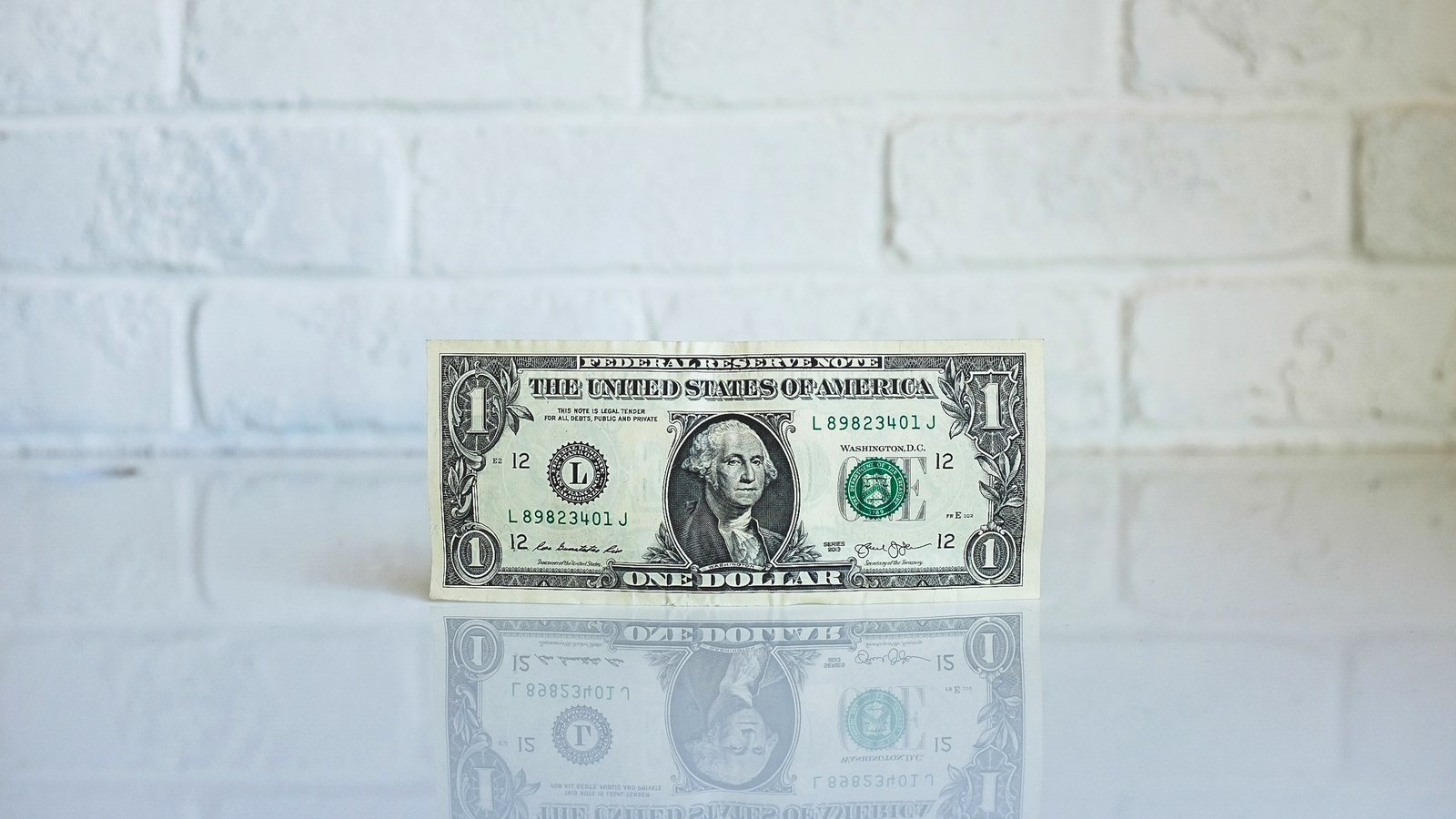
How to find and cancel the subscriptions you forgot about
The exact places subscriptions hide on iPhone, Android, PayPal and your card statement, plus a 15-minute quarterly audit that keeps them from piling up again.
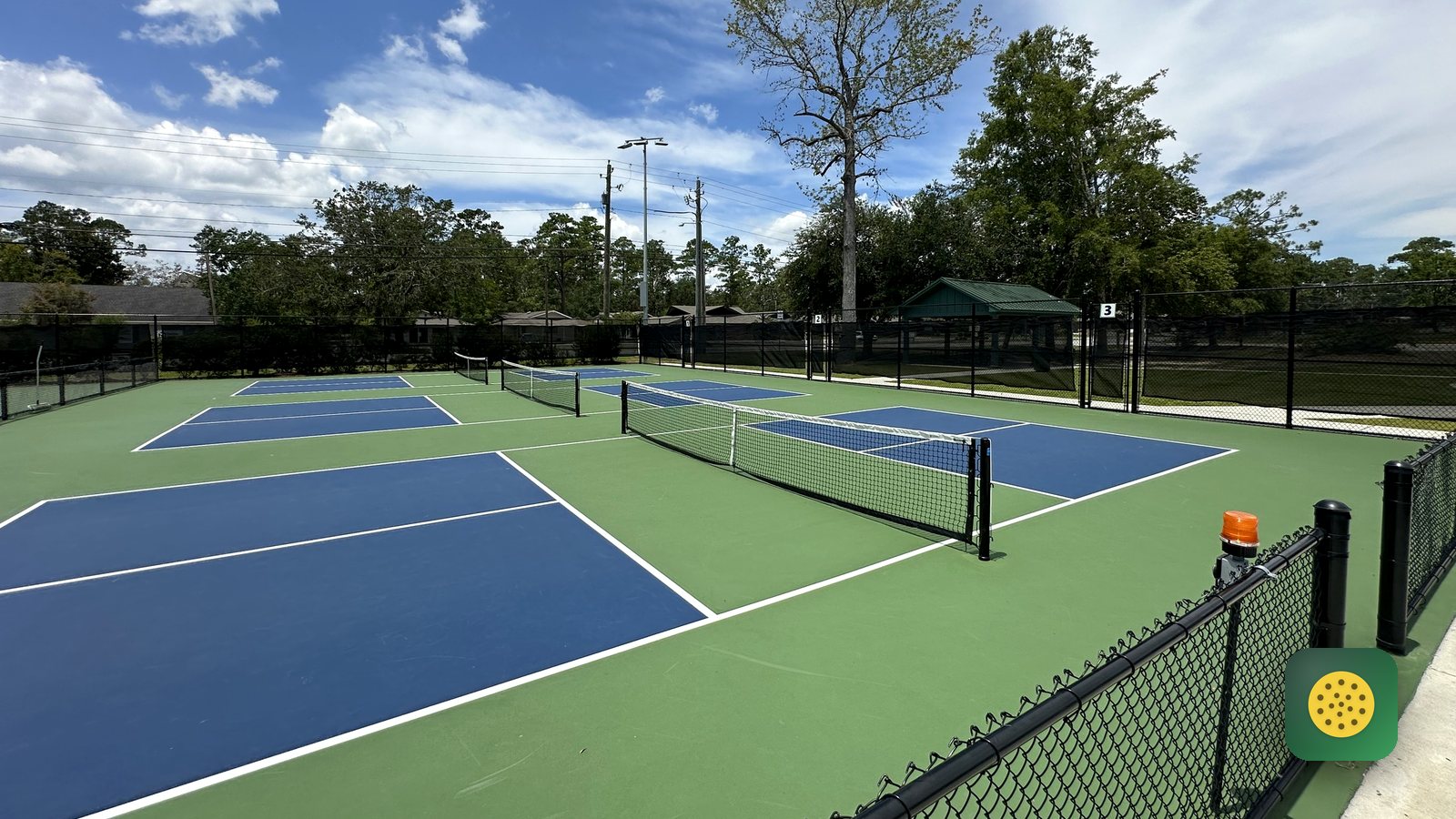
Pickleball rules you actually need for your first game
The serve, the two-bounce rule, the kitchen and the three-number score call. Everything a beginner needs to walk on court without holding up the game.

How to meal plan from what's already in your pantry
A 10-minute kitchen scan, meals ordered by what expires first, one anchor ingredient per night, and a grocery list that only covers the gaps.

Lost the TV remote? How to control your TV from your phone
Your phone can run a smart TV over Wi-Fi in minutes. The settings to check on Roku, Samsung, LG and Vizio, what to do if the TV is fully off, and the last resort.
What we mean by practical AI
Four rules we build by: AI that does one specific job, runs on your phone, respects the person using it, and costs nothing to keep using.

How to spot the errors hiding on a hospital bill
Why the summary bill tells you almost nothing, how to get the itemized one, the four errors worth hunting for, and what to say on the phone.
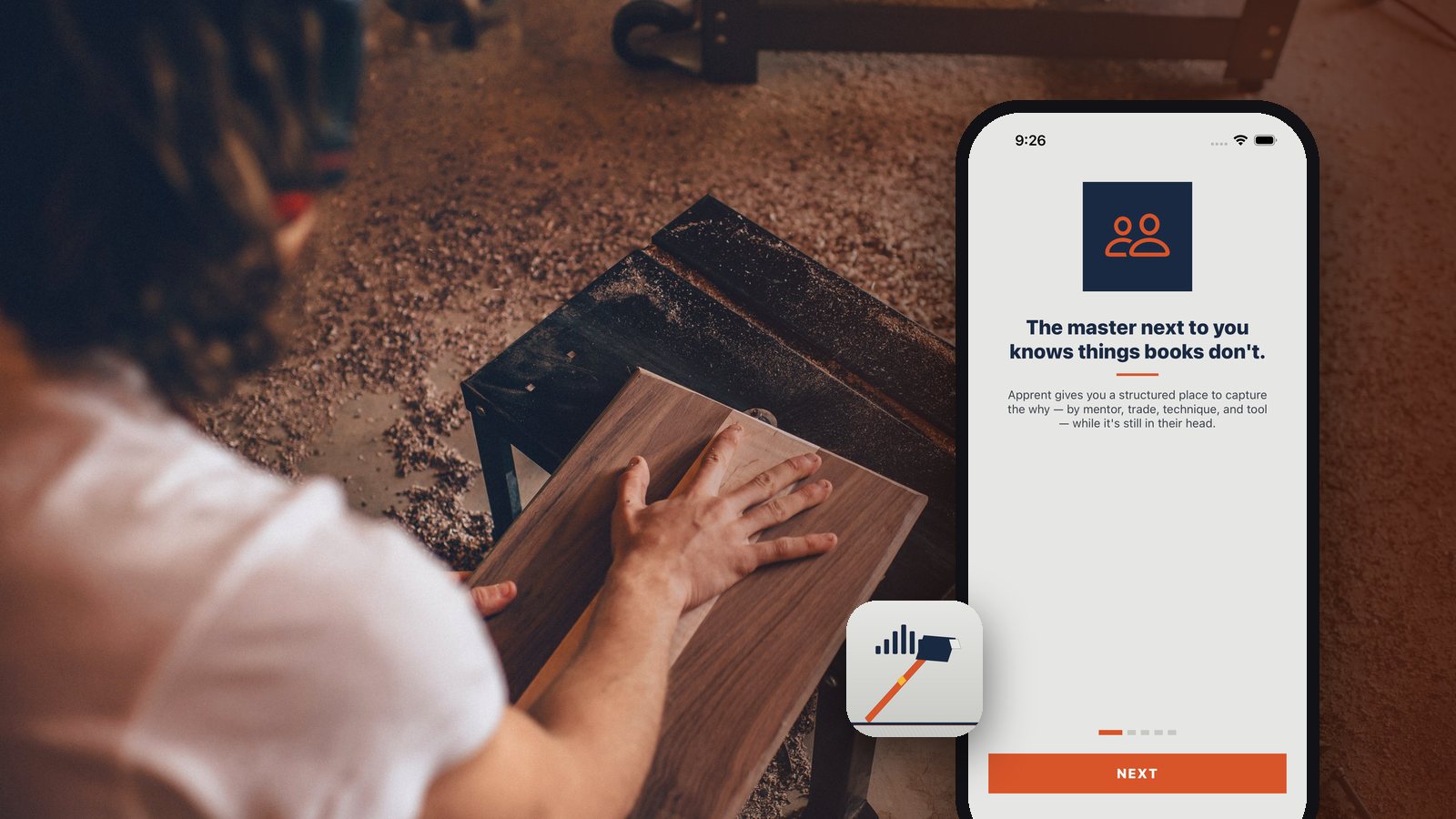
How Apprent turns a mentor's voice into a searchable trade note
Inside Apprent: one-tap recording, on-device transcription, technique cards tagged by trade and tool, and full-text search across everything.

Shipping the same on-device app on iOS and Android without a cloud
Building an on-device app for both phone platforms means sharing the rules, rewriting the machine learning, and being honest about what genuinely differs.
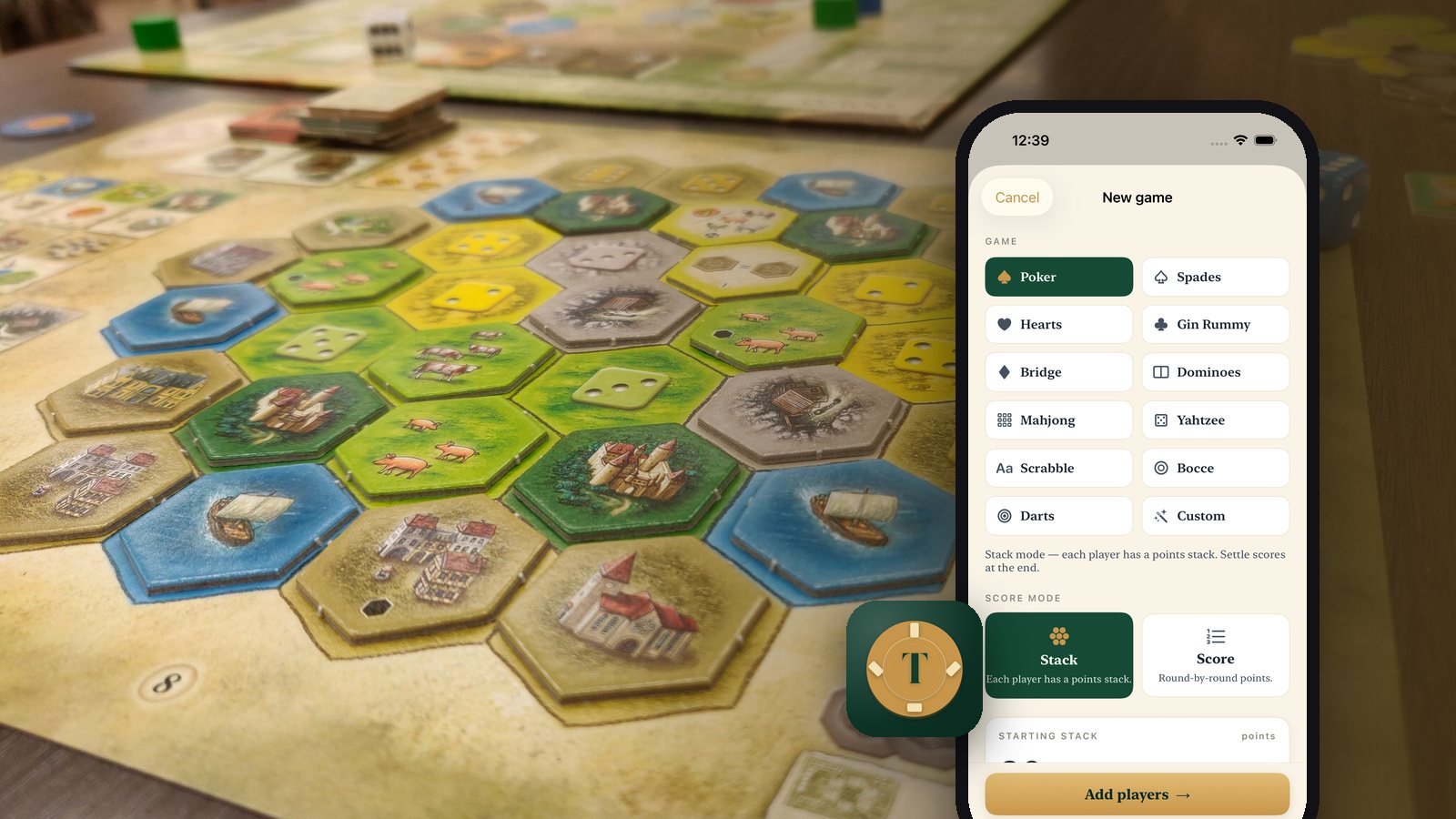
How Tableside keeps score and settles up at the end of the night
Inside Tableside: two scoring modes, a contacts-first roster, a fewest-transfers settle-up, and why none of it needs an account or a network.

How to prepare for a parent's doctor appointment in three weeks
The packet a doctor actually wants from a family caregiver, how to gather it a few seconds at a time, and why it should arrive there on paper.

Why the best utility apps should do exactly one thing in one tap
Utility apps are judged in the ten seconds someone actually opens them. Designing for that moment beats designing for the feature list every time.
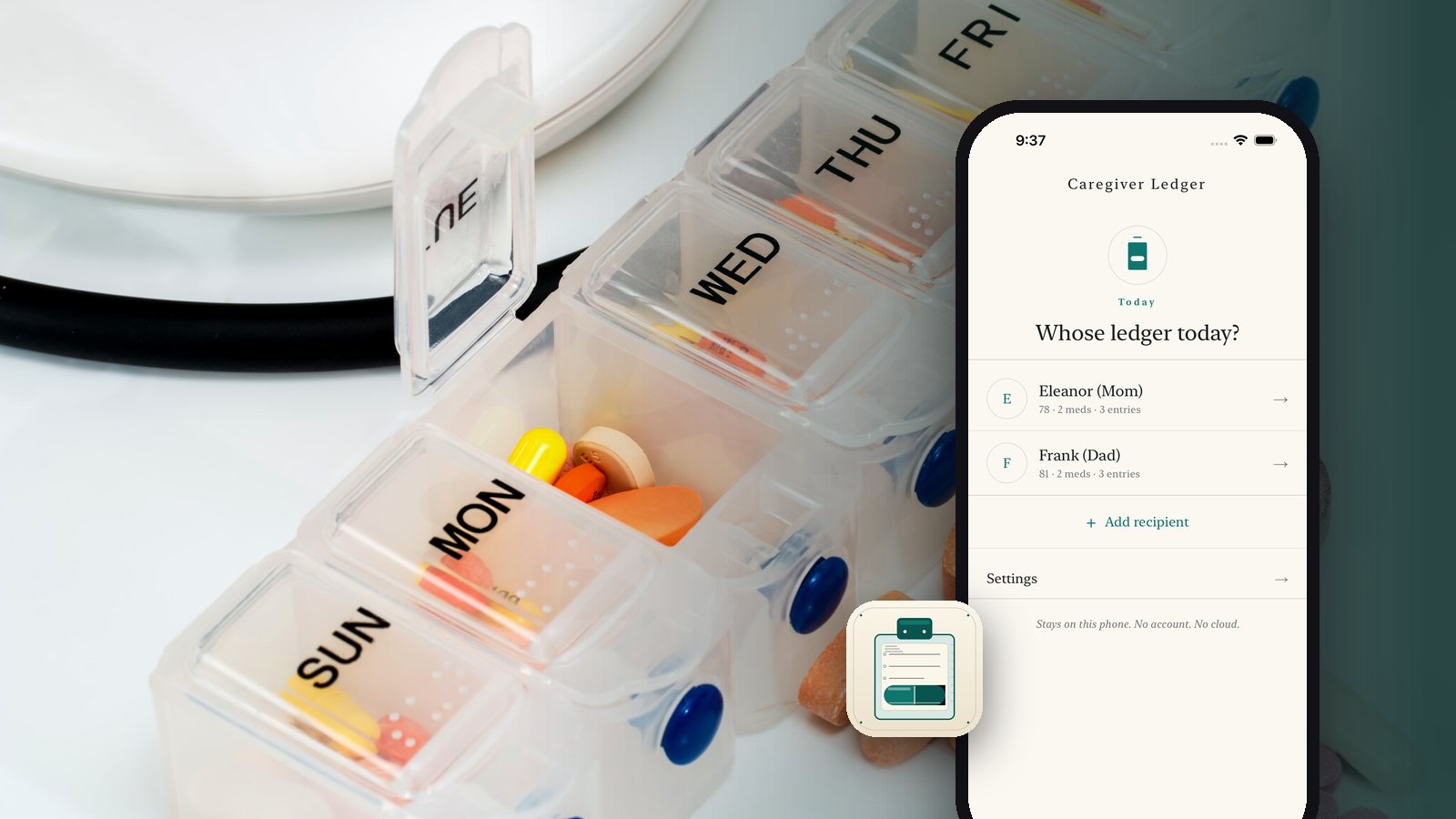
How Caregiver Ledger builds a doctor visit packet on one phone
Inside Caregiver Ledger: label scanning, a tap-sized symptom diary, and the one design choice that turns weeks of notes into a printable packet.

Mealime shutting down October 21: why, and how to save your recipes
Mealime closes October 21, 2026, and owner Albertsons is pointing users to Meals Hub. There is no export, so here is how to save your recipes and lists first.

How to read an Explanation of Benefits before you pay a bill
What each line on an Explanation of Benefits actually means, the three mismatches worth catching, and the appeal deadline most people never hear about.

A four-part test for whether an AI feature belongs in your app
Most AI features fail on the same four questions: does it remove a step, is it fast, does it fail gracefully, and does the user stay in control.
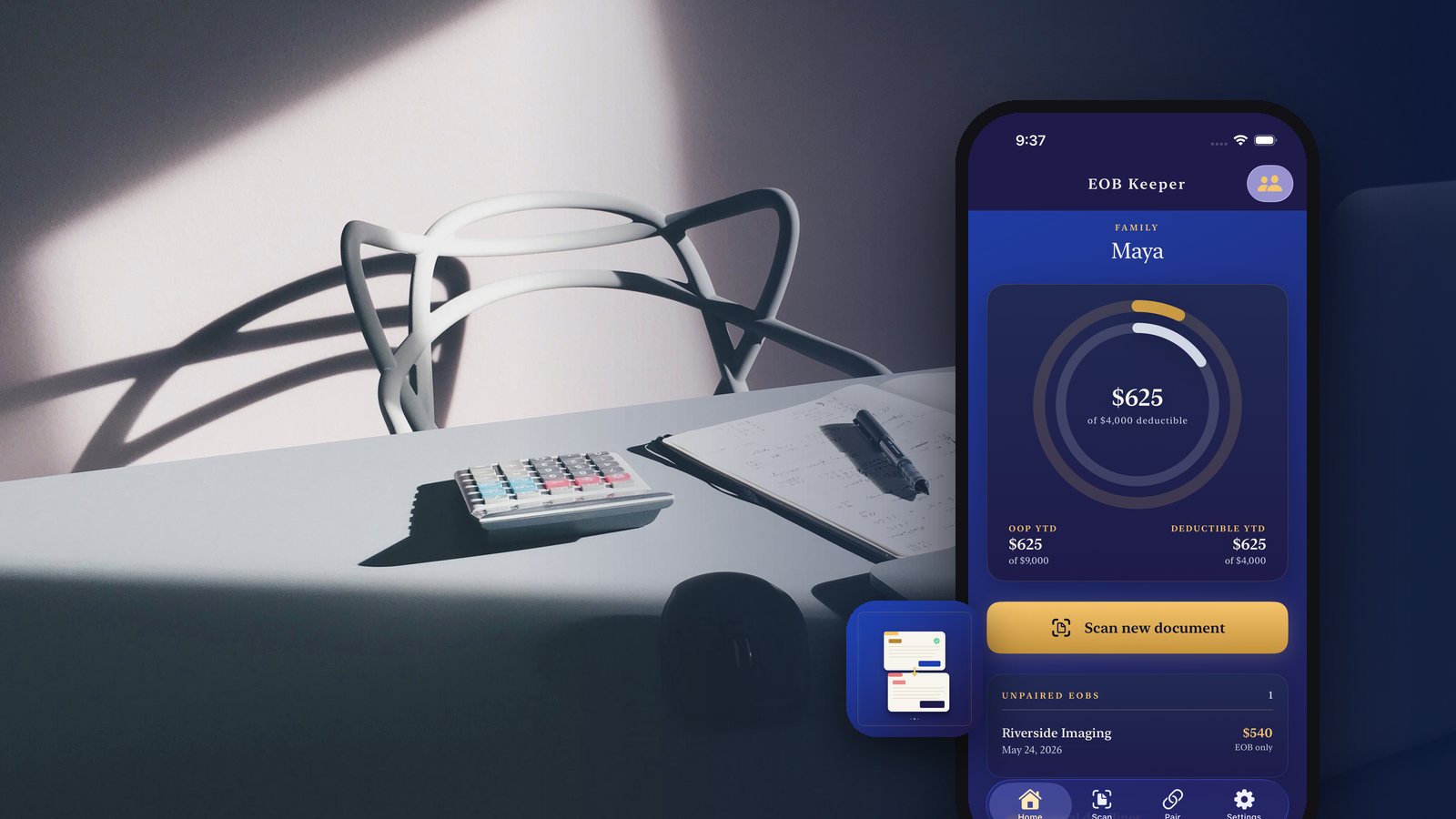
How EOB Keeper matches your bill to your insurance statement
A look inside EOB Keeper: on-device scanning, the pairing engine that flags overcharges, and the design choice that keeps the whole thing instant.

How to keep a lasting record of every national park you visit
A practical system for logging park visits so the record still means something a decade later, and how Stampr handles the tedious half of it.

Designing apps that assume the network is not there
Offline-first is not a fallback mode you add later. It changes what you store, what you sync, and what disappears from the interface entirely.

Inside Dialin, the espresso journal that answers back
Most trackers record what already happened. Here is the mechanism that lets Dialin name your next adjustment instantly, with no model and no network.

How to run a game night scoreboard everyone actually trusts
Scorekeeping disputes are never really about the math. Here are the rules that keep a shared scoreboard honest from the first round to settling up.
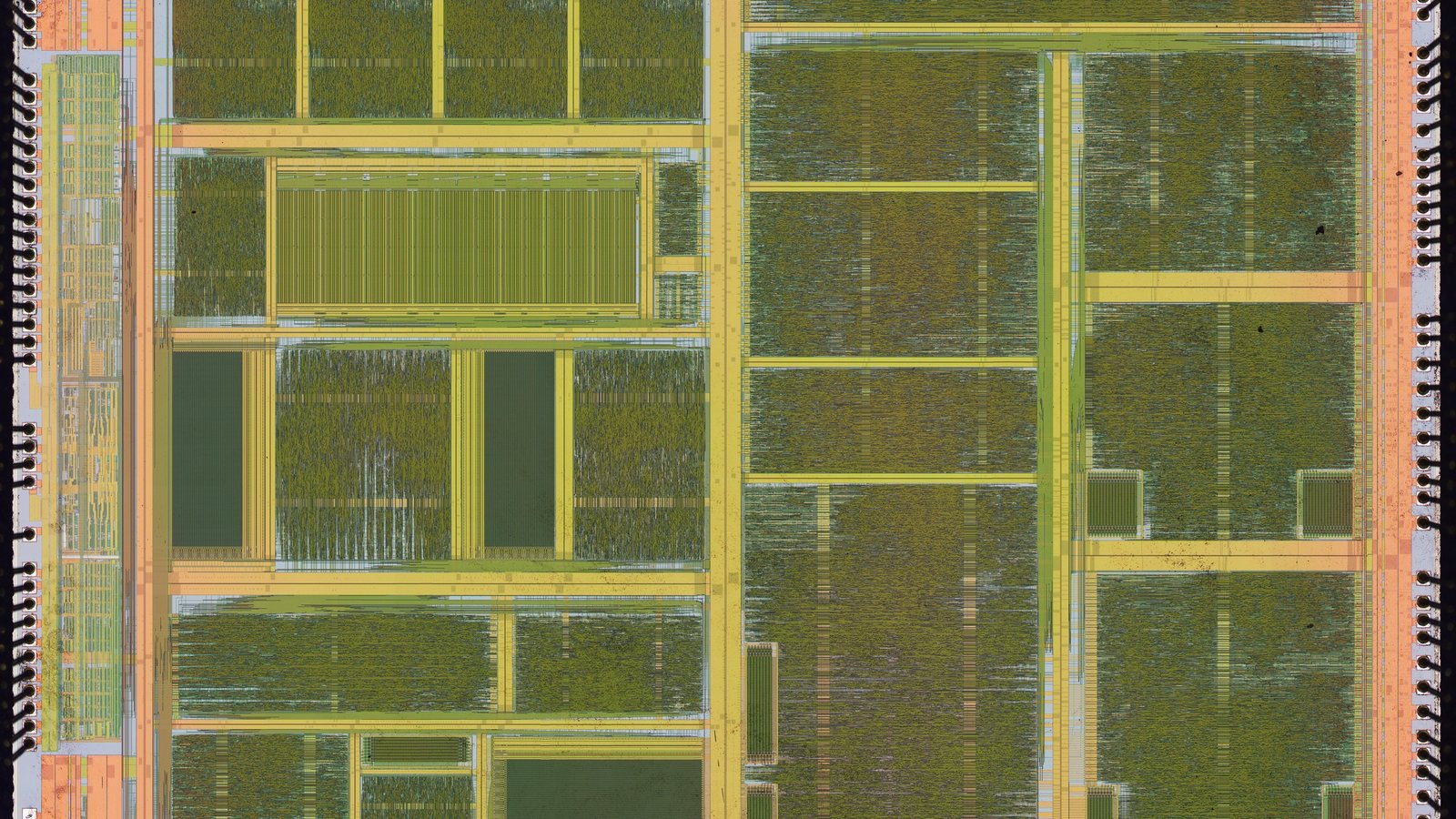
What the neural engine in your phone actually does all day
Modern phones ship a chip built for one narrow kind of math. Here is what that hardware is for, in plain language, and what it lets an app do.

How DockLedger takes a truck yard off paper without a server
A depot runs on registers, memo pads and mail threads. Here is how one offline app on a supervisor's phone replaces all of it, and why it never waits.

How to dial in espresso by changing one variable at a time
Most bad espresso comes from changing three things at once. Here is the slower, methodical loop that gets you to a good shot with fewer wasted beans.
Small models, big jobs, and the tasks that need neither
Frontier models are extraordinary at open-ended reasoning, and most app features are not open-ended. Here is how we decide what a task actually needs.
Page 4 of 5 · 113 posts