How to capture what a master tradesperson knows before they retire
The manual covers how. A master's real value is the why and the near-misses. Here's how to record that on the job, in short pieces, so it stays searchable.
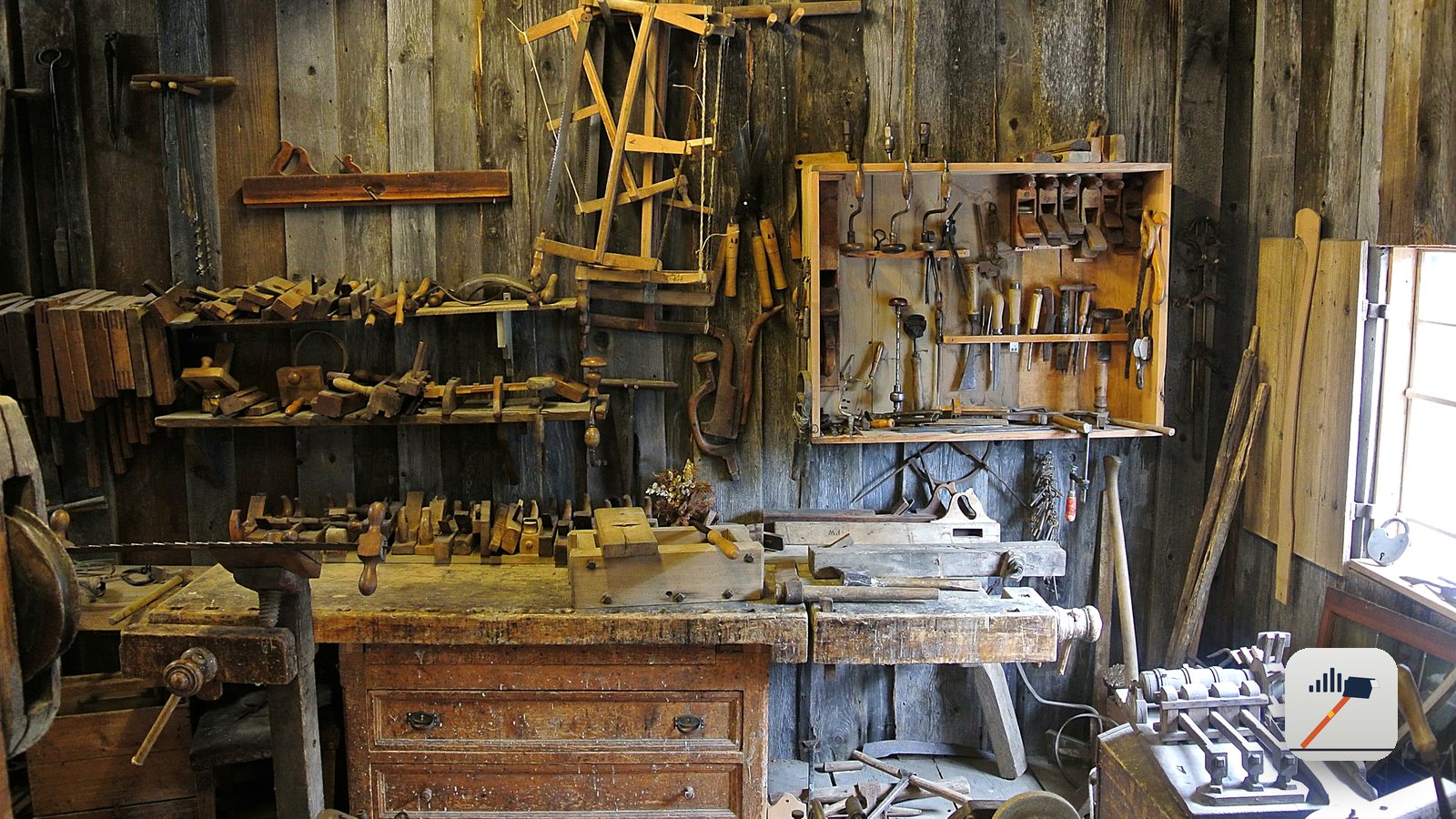
Ask a plumber with thirty years in the trade how he knew a joint was going to leak before he tested it, and you'll often get a shrug and "you just know." That shrug is the most valuable thing in the shop. It's also the first thing lost when he retires, because nobody ever wrote it down, and he couldn't have written it down on his own even if he'd tried.
This kind of knowledge is called tacit knowledge: judgment built up over years that only shows itself while the work is being done. Here's how to get it on the record while the person who holds it is still around.
Record the why, not just the how
Anyone can film someone stripping wire. What's worth keeping is the reasoning around it: why this fitting and not that one, why he checks the old work before touching anything, what he's listening for when the saw changes pitch.
A few questions that consistently bring it out:
- "What are you checking right now?"
- "What would make you stop and do this differently?"
- "What does a beginner usually get wrong here?"
- "How would you know if this was about to go bad?"
The procedure lives in the manual and the code book. The answers to those four questions live only in one person's head.
Capture on the job, not after it
Sit-down interviews at the end of the day come out thin. The master summarizes, skips steps and tidies up the story. The good material shows up mid-task, with the tool in hand and the problem right in front of them, when explaining is as easy as pointing.
So keep each capture short. One technique, one to three minutes, recorded right where the work is happening. Twenty minutes between jobs is enough for a few of these. A pile of short pieces beats one long recording nobody will ever sit through again.
The manual tells you how to do the job. A master tells you how it goes wrong, and that part only comes out while the work is in front of them.
Ask about the mistakes
People who've been at a craft a long time love a good war story, and war stories are where the lessons live. Ask about the callback they still think about, the job that flooded, the panel that surprised them. A mistake comes with its cause, the warning sign and the fix all in one story, which makes it the most efficient teaching there is.
Ask about the tools too. The brand he stopped buying and why. The cheap tool that's worth it and the expensive one that isn't. That kind of opinion never gets written in a catalog.
Tag everything so you can find it again
A voice-memo folder with 200 files named "New Recording 47" is where knowledge goes to die. Every capture needs at least three labels: the trade, the technique (layout, fitting, troubleshooting, finishing) and the tool involved. Then, a year later, when you're stuck on the same kind of problem, you can pull up every time anyone explained it.
That's the job Apprent was built for. You record the mentor with one tap, the phone transcribes it on the device, and each recording becomes a technique card with the mentor, trade, tool and technique category attached. It keeps a register of the journeymen you've worked under and a tool log that links each tool to the cards that mention it, and full-text search runs across every transcript. It also has a trade glossary and pointers to commonly cited code sections, though you should always check the current published code for the work itself. There's no account and no cloud, and it's free. For a closer look at how it works, see how Apprent turns a mentor's voice into a searchable trade note.
Start with one question tomorrow, on one job, and record the answer. In ten years, somebody you've never met could be glad you did.
Recent posts
-
How-to
How to set up a phone for an aging parent
Oct 12, 2026
-
AI & Trends
Measuring an app without tracking people
Oct 11, 2026
-
How-to
How to run a pickleball round robin for a group of friends
Oct 10, 2026
-
How-to
How to journal your day in sixty seconds
Oct 09, 2026
-
How-to
Is the America the Beautiful pass worth it? Do the math first
Oct 08, 2026
-
How-to
How to do a proper push-up (and the easier versions that still count)
Oct 07, 2026
0 comments
No comments yet — be the first.
Leave a reply
Sign in with Google to join the conversation. We require a quick sign-in to keep comments spam-free.
Sign in with Google to comment