What to keep in a winter car emergency kit (and what to do if you're stuck)
A trunk-size winter kit in priority order, the bin that keeps it together, and what to do if snow strands you: stay put, clear the tailpipe, run the heat in short bursts.
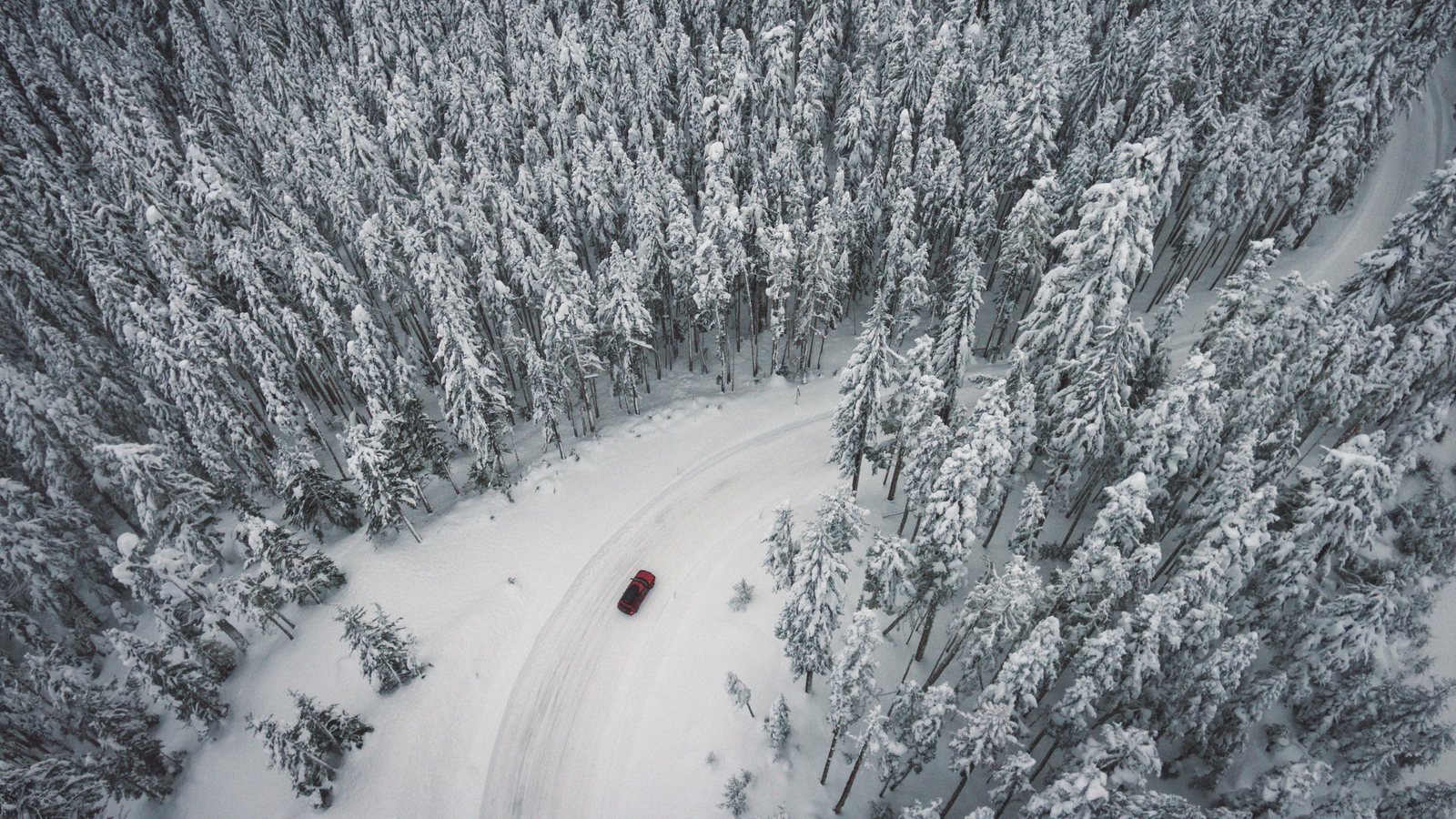
Most winter breakdowns aren't dramatic. A dead battery in a parking lot at 6 p.m., a slide into a snowy ditch a mile from home, two hours parked on a closed highway. The car is fine as a shelter. What decides whether that's a nuisance or a scary night is what's already in the trunk.
The kit, in priority order
If you only have room or budget for part of this, start at the top. The list follows what the National Weather Service, Ready.gov and NHTSA recommend.
- Warmth. A wool or fleece blanket (or a sleeping bag) plus a spare hat, gloves and dry socks for each regular passenger. Being cold and wet is the real danger, not hunger.
- Phone power. A car charger and a charged power bank. Cold drains phone batteries fast, so keep the phone in an inside pocket.
- Ice scraper with a brush. You can't drive safely out of anything if you can't see.
- Jumper cables. Cold mornings are when weak batteries finally quit. A portable jump pack works without a second car.
- Flashlight with spare batteries. A headlamp is even better: it leaves both hands free for cables or a tire.
- Water and snacks. A few bottles and some granola bars, nuts or crackers. Leave room in the bottles, since water expands when it freezes.
- Traction help. A compact shovel and a bag of sand or kitty litter to pour under spinning tires.
- Visibility. Reflective triangles or flares, and something bright to tie to the antenna or a window.
- First aid kit. Add any daily medication someone in the car can't skip.
The car is your shelter; the kit just makes it a warm one.
Pack it so it's actually there
A kit scattered across the trunk gets borrowed and never returned. Put everything in one lidded bin or a duffel, and keep the blanket and scraper where you can reach them from a seat, since a trunk can be blocked by a snowbank or another car.
- Keep the tank close to full in winter, as Ready.gov advises. Fuel is also your heat if you're stuck.
- Check it twice a year, when the clocks change. Swap the snacks, test the flashlight, recharge the power bank.
- Add a paper map if you drive rural roads where your phone signal drops. Our guide to using your phone offline while traveling covers saving maps ahead of time.
If you get stuck
The advice from NHTSA and state emergency agencies is consistent, and it's mostly about patience.
- Stay with the car. Unless a safe building is clearly in sight, don't walk. It's easy to lose sight of the car in blowing snow, and rescuers look for vehicles, not people.
- Call for help. Dial 911 or your roadside service and say where you are as precisely as you can. If a call won't connect, try texting 911, which works in many areas.
- Make yourself visible. Tie the bright cloth to the antenna, set out triangles if it's safe to step out, and turn on the dome light at night.
- Clear the tailpipe first. Snow packed around the exhaust can push carbon monoxide into the cabin. Check it before you start the engine, and again each time.
- Run the heat in short bursts. Health agencies commonly suggest about 10 minutes an hour, with a window cracked slightly for fresh air. It saves fuel and limits carbon monoxide risk.
- Don't overdo the digging. Shoveling hard soaks you in sweat, and wet clothes make you colder. Work in short spells and rest in between.
Wrap up in the blanket, move your arms and legs now and then to stay warm, and take turns sleeping if there's more than one of you.
Build the bin this weekend, before the first storm, and it will ride along all winter waiting for the one night you need it.
Videos
Watch this post as a reel
Related posts
-
How-to
How to make a holiday gift budget you actually keep
Nov 07, 2026
-
How-to
How to keep score in Spades (bids, nil, bags and the 10-bag penalty)
Nov 03, 2026
-
How-to
How to keep a medication list for an aging parent that doctors actually use
Sep 28, 2026
Recent posts
-
How-to
What Thanksgiving foods dogs shouldn't eat (a fridge-door list)
Nov 18, 2026
-
How-to
Why your tire pressure light comes on when it's cold (and what to do)
Nov 17, 2026
-
AI & Trends
How to spot fake AI-written product reviews before Black Friday
Nov 16, 2026
-
How-to
How to spot a fake Black Friday deal before you pay
Nov 15, 2026
-
How-to
How to make coffee for a crowd (without running out or serving mud)
Nov 14, 2026
-
How-to
How to track buy now, pay later payments before Black Friday
Nov 13, 2026
0 comments
No comments yet — be the first.
Leave a reply
Sign in with Google to join the conversation. We require a quick sign-in to keep comments spam-free.
Sign in with Google to comment