How to plan a national park road trip that isn't all driving
Pick a cluster of parks, set a daily driving limit, check reservation rules on nps.gov and download offline maps. A road trip plan you'll actually enjoy.
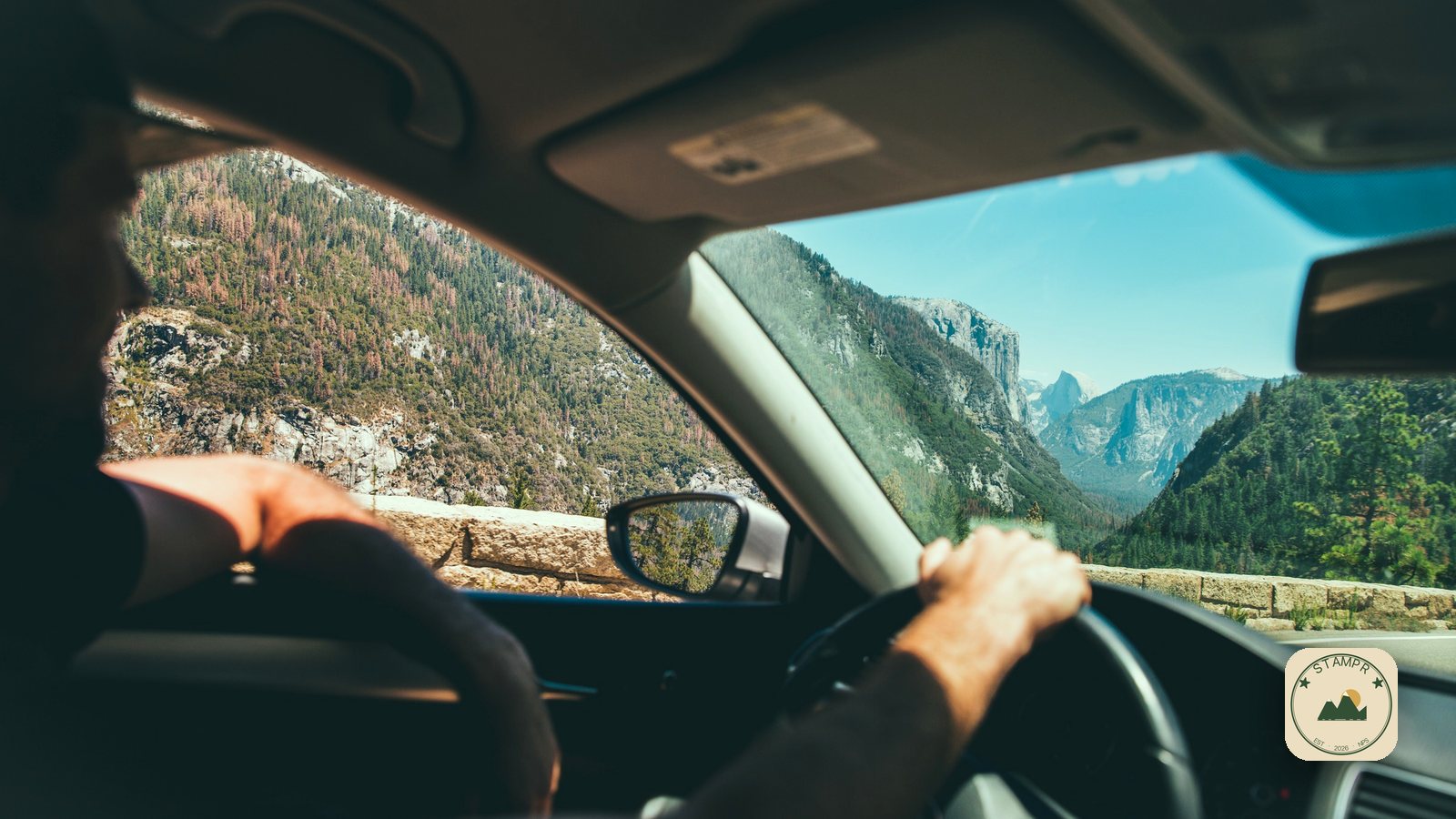
The classic first national park road trip looks great on a map: six parks, ten days, a loop across four states. Then you actually drive it and realize you saw most of it through the windshield. You spent twenty minutes at each overlook and eight hours a day in the car, and the kids now associate Yellowstone with a gas station.
The fix isn't a faster car. It's a smaller map.
Pick a cluster, not a country
Parks come in natural groups, and the best trips stay inside one. Utah's five parks (Zion, Bryce Canyon, Capitol Reef, Arches and Canyonlands) are strung along one region, and Arches and Canyonlands are both a short drive from Moab. Yellowstone and Grand Teton sit next to each other. Sequoia and Kings Canyon share a border.
Choose one cluster and give each park at least two nights. The first day you're getting your bearings. The second day is when you take the long hike, stay out for sunset, or get to the popular trailhead before the parking lot fills. One-night stops never get you to that second day.
Set a drive-time budget for every day
Before you book anything, decide how many hours of driving a day you'll accept. Three is comfortable. Five is a travel day. Anything past that is a day you won't really see a park.
Then plan like it's a budget:
- List the stops in order and look up the drive time between each pair.
- Add about a third for fuel, food, construction and the viewpoint you'll definitely pull over for.
- Any day over budget gets split or loses a stop.
- Put the long drives on mornings you'd lose anyway, like check-out day or a day of bad weather.
Remember the driving inside the parks, too. Big parks can mean an hour or more between the main sights, and that time comes out of the same budget.
The best road trip plan is the one where you spend more hours outside the car than inside it.
Check reservations early, because the rules change every year
Some parks require timed-entry or vehicle reservations in peak season, and the list changes from year to year. For 2026, the National Park Service kept Rocky Mountain's timed-entry system for late May through mid-October, while Arches, Yosemite and Glacier dropped their park-wide reservation requirements. Separate permits for particular trails or tours may still apply, and a park's entrance pass doesn't cover a reservation.
Before you commit to dates, check each park's "Plan Your Visit" page on nps.gov and look on recreation.gov for when reservations open. If a park you want needs one, book that first and build the rest of the trip around it.
Plan for no signal, and keep a record as you go
Cell service in many parks runs from patchy to nonexistent. Download offline maps of every park and the roads between them before you leave, and save your lodging confirmations as screenshots. A paper map in the glovebox never runs out of battery.
Then there's the habit that makes the trip last: stopping at the visitor center passport stamp station. It turns each stop into a small ritual, and kids love it. Stampr is a digital version of that. All 63 national parks are built in and work offline, so you can read a park's hours, fees and dog rules without signal. The Discover tab shows parks within 300 miles of you, and you can heart the ones you want to visit and see them on a map as you plan. Logging a visit takes three steps: the date, your photos and an optional note. It's free and needs no account. For more on keeping a trip journal that lasts, see how to keep a lasting record of every park you visit.
Pick one cluster, plan fewer miles than feels ambitious, and leave room for the trail you didn't know about until you got there.
Recent posts
-
How-to
How to make a photo-a-day timelapse of your kid growing up
Oct 03, 2026
-
How-to
How to appeal a denied health insurance claim
Oct 02, 2026
-
How-to
How to settle up money after a poker or card night, fairly and fast
Oct 01, 2026
-
How-to
How to start strength training at home with no equipment
Sep 30, 2026
-
AI & Trends
How to tell if an app is selling your data
Sep 30, 2026
-
How-to
Why your espresso tastes sour or bitter, and the one change to make
Sep 29, 2026
0 comments
No comments yet — be the first.
Leave a reply
Sign in with Google to join the conversation. We require a quick sign-in to keep comments spam-free.
Sign in with Google to comment