How to cut food waste at home without trying harder
Most wasted food isn't forgotten on purpose. A few small kitchen systems, plus knowing what date labels really mean, keep more of it out of the bin.
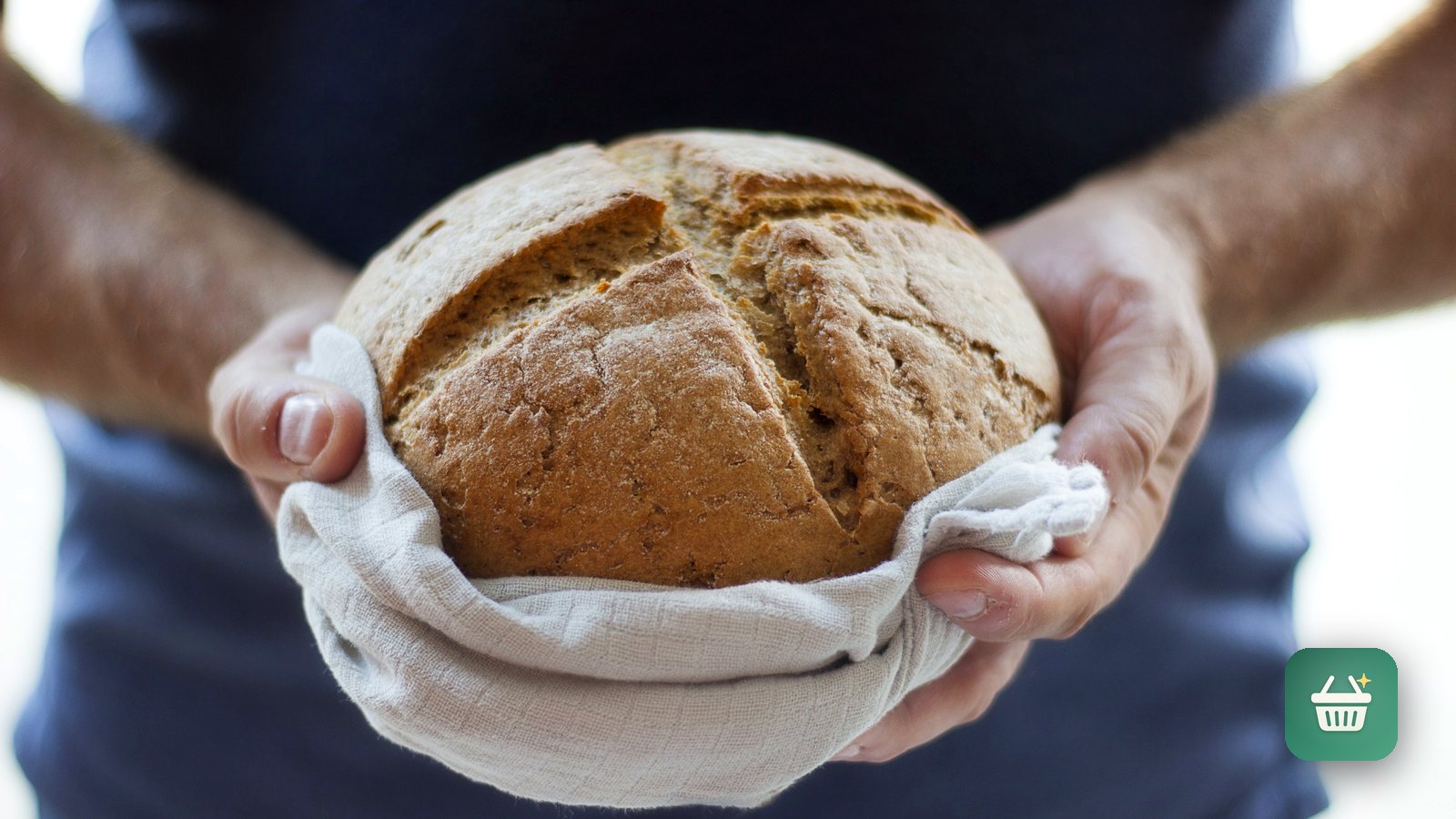
The USDA estimates that 30 to 40 percent of the US food supply goes to waste, and a big share of that happens at home. It rarely looks like a decision. It looks like half a bag of spinach turning to liquid behind the yogurt, or a container of rice nobody remembered cooking.
Trying harder doesn't fix that. Better systems do, because they work on the nights you're tired.
Make the fridge tell you what to eat
Grocery stores rotate stock so older items get sold first. Your fridge can do the same thing with about two minutes of effort per shop.
- First in, first out. When you unpack, slide what's already there to the front and put the new stuff behind it. The older yogurt gets eaten first because it's the one you see.
- Make a "use first" shelf. Pick one shelf or one bin at eye level. Anything that's open, half-used or close to turning goes there. When you're deciding what to cook, you look there before anywhere else.
- Keep leftovers where you can see them. Clear containers, front row. A leftover you can't see is a leftover you'll throw out next week.
While you're in there, check the temperature. USDA guidance is 40°F or below for the fridge and 0°F for the freezer. A fridge running warm quietly cuts days off everything in it.
Cook leftovers on purpose
A lot of waste comes from leftovers that happen by accident: you made too much, nobody wanted it again, and it sat there. Try planning them instead.
Cook one big batch of a base, like roast chicken, a pot of beans or a tray of vegetables, and decide right then what it becomes on day two: tacos, a grain bowl, soup. A leftover with a plan is dinner. A leftover without one is a science project.
Keep the clock in mind. USDA says leftovers are good in the fridge for 3 to 4 days. If you won't get to something in that window, move it to the freezer while it's still good, not the day before it goes off.
Freeze it properly, and read the labels properly too
The freezer works like a pause button, but only if you use it well.
- Cool food quickly and get it into the fridge or freezer within two hours of cooking.
- Freeze in portions you'll actually thaw: single servings, or enough for one dinner.
- Label every bag with what it is and the date. Frozen food stays safe indefinitely at 0°F, but taste and texture slowly get worse, so first in, first out applies here too.
Then there are date labels, which cause a lot of perfectly good food to get thrown out. According to the USDA's Food Safety and Inspection Service, "Best if Used By" is about quality, not safety, and food that shows no signs of spoilage can still be eaten after that date. "Use By" is the last date the maker recommends for peak quality. The one real safety exception is infant formula, which by federal rule must carry a use-by date that you should follow. Outside that, trust your eyes and nose along with the calendar, and when in doubt, throw it out.
A leftover with a plan is dinner. A leftover without one is a science project.
Plan the week around what you already have
Most waste starts at the store, when you buy a whole bunch of cilantro for one recipe and the rest of it has nowhere to go. The fix is to plan meals starting from what's already in your kitchen, not from a recipe you liked the look of.
PantryRx is built around exactly that. You tap your staples or scan a shelf or a barcode, and it plans breakfast, lunch and dinner for as many days as you want, using up what's expiring first. It then builds one grocery list sorted by aisle, with what you already own set aside, so you don't buy a second jar of something you already have. It's free, needs no account, and your pantry stays on your phone. If a meal-planning app you relied on is going away, here's what to do next.
Start with the use-first shelf this weekend. It takes about as long as reading this, and by the end of next week you'll probably notice the bin is a little lighter.
Recent posts
-
How-to
How penalty shootouts actually work
Oct 04, 2026
-
How-to
How to make a photo-a-day timelapse of your kid growing up
Oct 03, 2026
-
How-to
How to appeal a denied health insurance claim
Oct 02, 2026
-
How-to
How to settle up money after a poker or card night, fairly and fast
Oct 01, 2026
-
How-to
How to plan a national park road trip that isn't all driving
Oct 01, 2026
-
How-to
How to start strength training at home with no equipment
Sep 30, 2026
0 comments
No comments yet — be the first.
Leave a reply
Sign in with Google to join the conversation. We require a quick sign-in to keep comments spam-free.
Sign in with Google to comment